
We live in a country where the sound of firecrackers outside a wedding season often signals one thing—a cricket match is on. The sport, an ongoing festival across formats and platforms, commands attention all year round. It dominates broadcast schedules, advertising spends, and popular conversation. Cricket’s creative delivery to the advertisers got a further boost with the onslaught of the IPL in 2008, indirectly pushing other sports into an even smaller corner for several years that followed, from an advertiser relevance perspective.
From a World Cup hosted once in every four years to some big tournaments held occasionally, cricket moved to a franchise-led model that guaranteed annual, appointment-viewing. But in the years to come, IPL also became something else—a case study for sports which otherwise enjoyed little or next to zero popularity from a national lens. It gave birth to the ‘league economy’. IPL not only institutionalised regular engagement with the sport, but also demonstrated how the right bit of entertainment, packaging and aggressive marketing could create a market for sports beyond cricket
as well.
Before we knew it, Kabaddi moved from rural akharas to primetime with the Pro Kabaddi League (PKL). Football’s Indian Super League (ISL) expanded its fan base through structured marketing and broadcast partnerships. Even badminton found commercial momentum through the Premier Badminton League (PBL). Each league adapted some or the other element of the IPL model.
In this week’s special, we probe into advertiser appetite. As ICC cricket returns to television screens, brands aren’t watching from the sidelines, they’re doubling down. Despite a sharp rise in ad rates this cycle, as reported by industry trackers, brand interest hasn’t dipped. If anything, the scramble for visibility has only intensified. But with an increasing clutter around cricket, does ROI become an even bigger challenge for brands, because just visibility doesn’t oft translate into recall.
What’s the solution, with cricket hogging all the limelight, do other leagues have it in them to become the marketers’ sports mainstay? Leagues that might be viable for their sharper targeting and lower entry costs? In that light, as argued by sportspersons, it is also important to remember that Indian audiences follow success, not sport itself, creating uneven attention across competitions. Broadcasters pour money into cricket, leaving little media revenue for smaller leagues. As a result, most non-cricket properties depend heavily on sponsorship rather than sustainable broadcast income. So, how can we best balance it? The second story in our Sports Edition delves into that.
Our third story on the other hand talks about how marketers are moving away from traditional brand narratives through ad spots during the sport to full scale experiences, why brands no longer rely solely on showing their ‘ad’ to the audience or a timely logo placement, and how they are working hard to be felt, not just seen. As fan expectations evolve, value now lies in creating experiences that are stickier than the sport itself.
These developments come together in our fun chat with a global sports marketing agency under the Omnicom umbrella—Fuse. Monica Conway, Acting Global CEO & COO, Fuse and Jigar Rambhia, Head of Fuse India elaborate on Fuse’s inception in the country a little over a year ago, its trials in a different market, and expectations from the Indian sporting scene.
E - PAPER

CURRENT ISSUE

LAST ISSUE
The Sports Edition
According to PMAR 2026, sports’ TV AdEx share rose from high teens to 23–25% in 2025—but how has the sports marketing universe evolved?
 BY
Antora Chakraborty
BY
Antora Chakraborty
Published: Mar 2, 2026 11:28 AM

RELATED STORY VIEW MORE

‘India has moved from an expansion phase to an allocation phase’

Digital Eclipsing Traditional AdEx

From Mad Men To Machine Minds

Madison Media Strengthens North & East Leadership with Senior Appointments

A ‘Super-Star’ Product

Influence Under The Scanner
TOP STORY

Ads in Focus
Four campaigns from this week that turn familiar insights into distinctive brand stories


NEWS LETTER
Subscribe for our news letter
E - PAPER
-
CURRENT -
LAST WEEK
Subscribe To Impact Online
IMPACT SPECIAL ISSUES

NDTV’s Big Test
Suniel shetty takes the Spotlight
Miked Up for Goafest
Get Set Goaaa!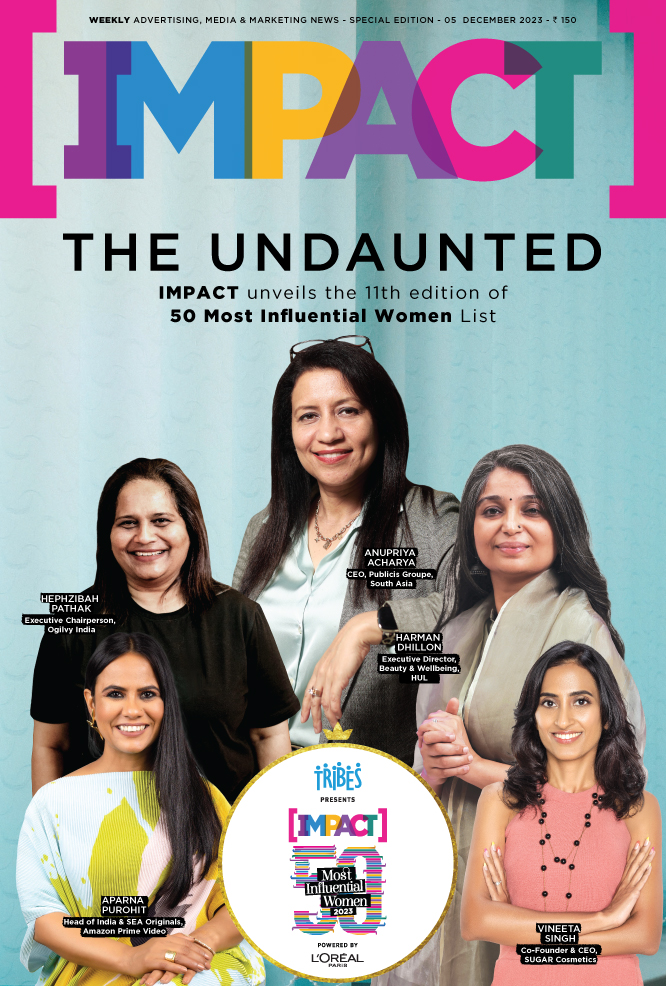
Anupriya Acharya Tops the IMPACT 50 Most Influenti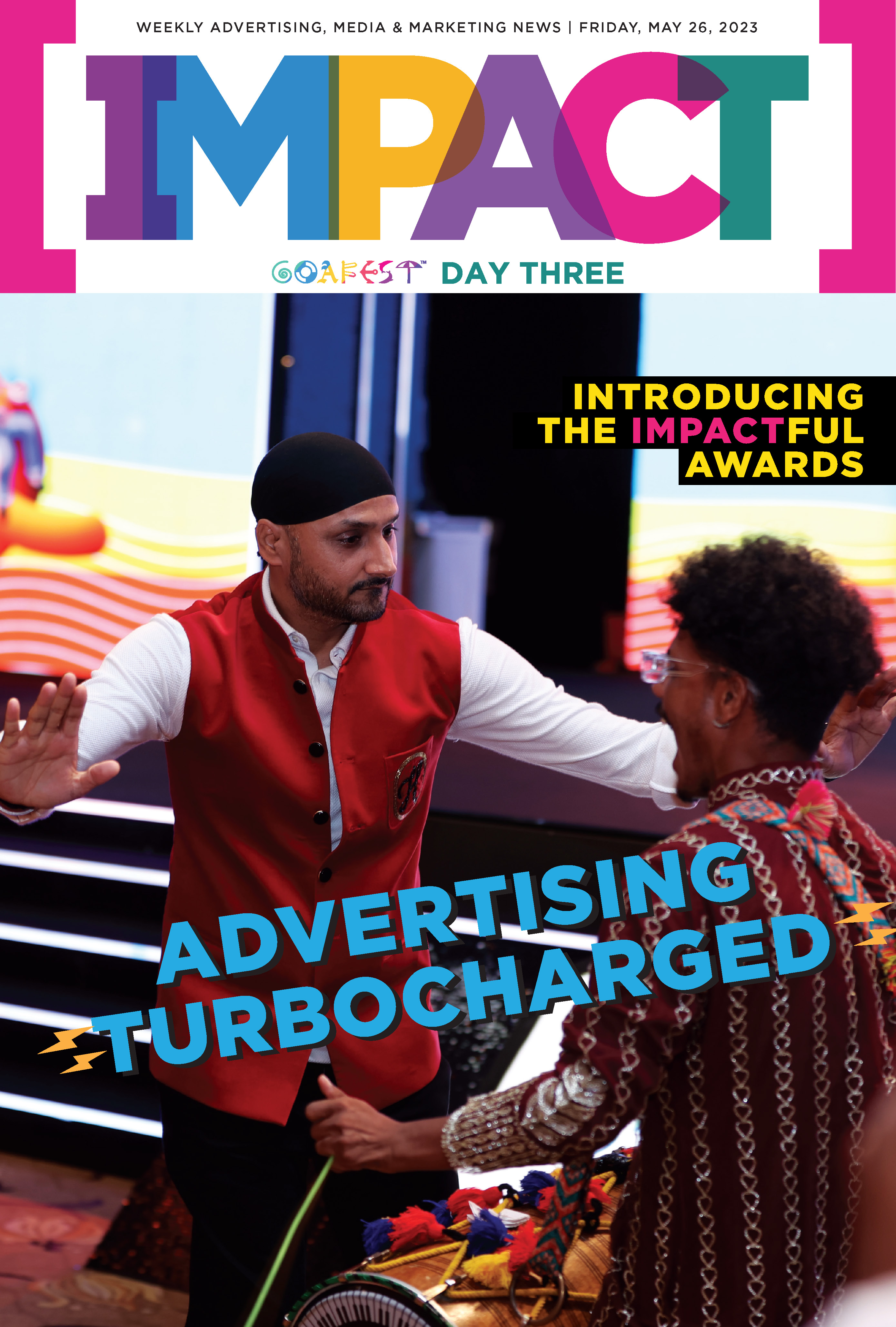
Advertising Turbocharged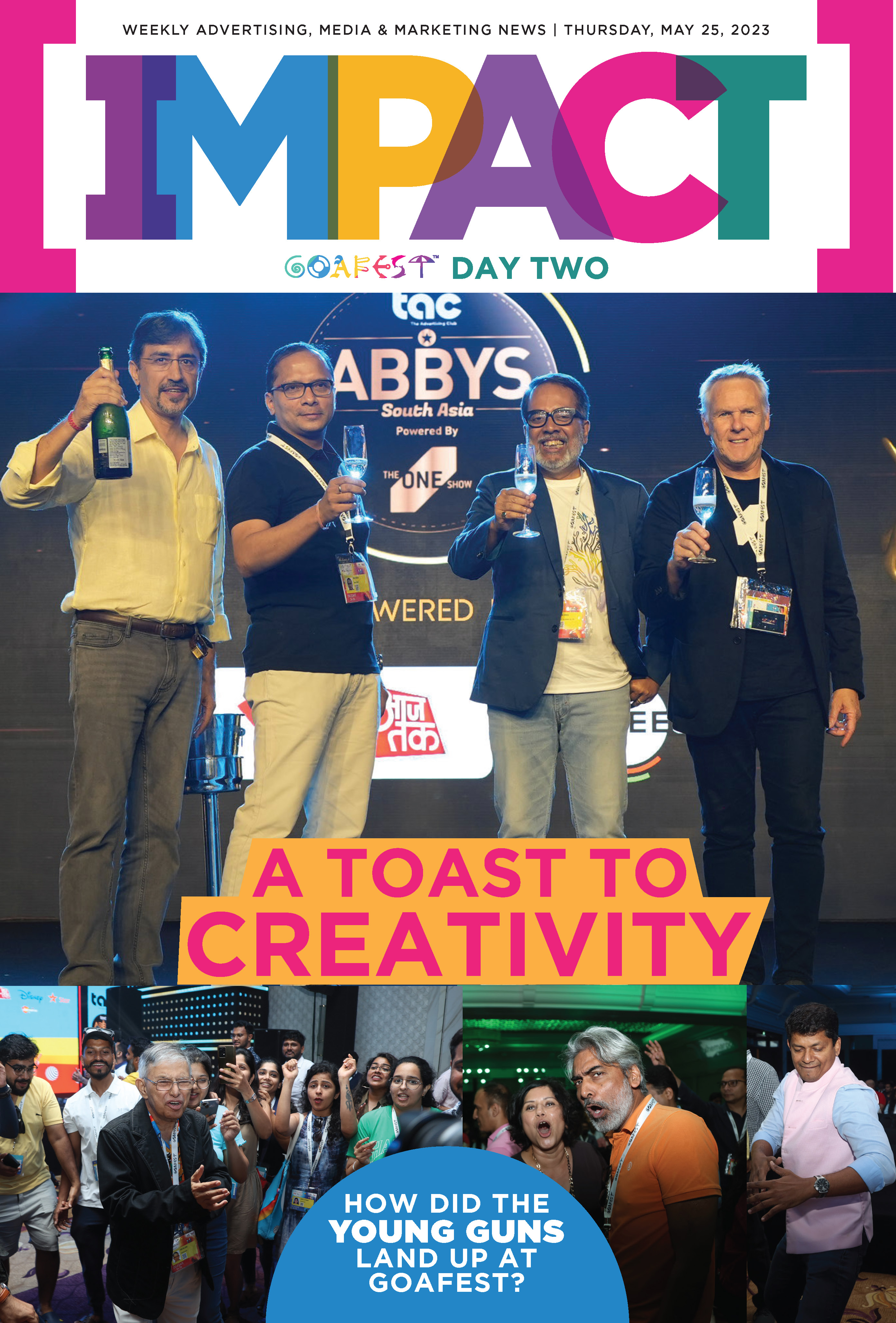
A Toast to creativity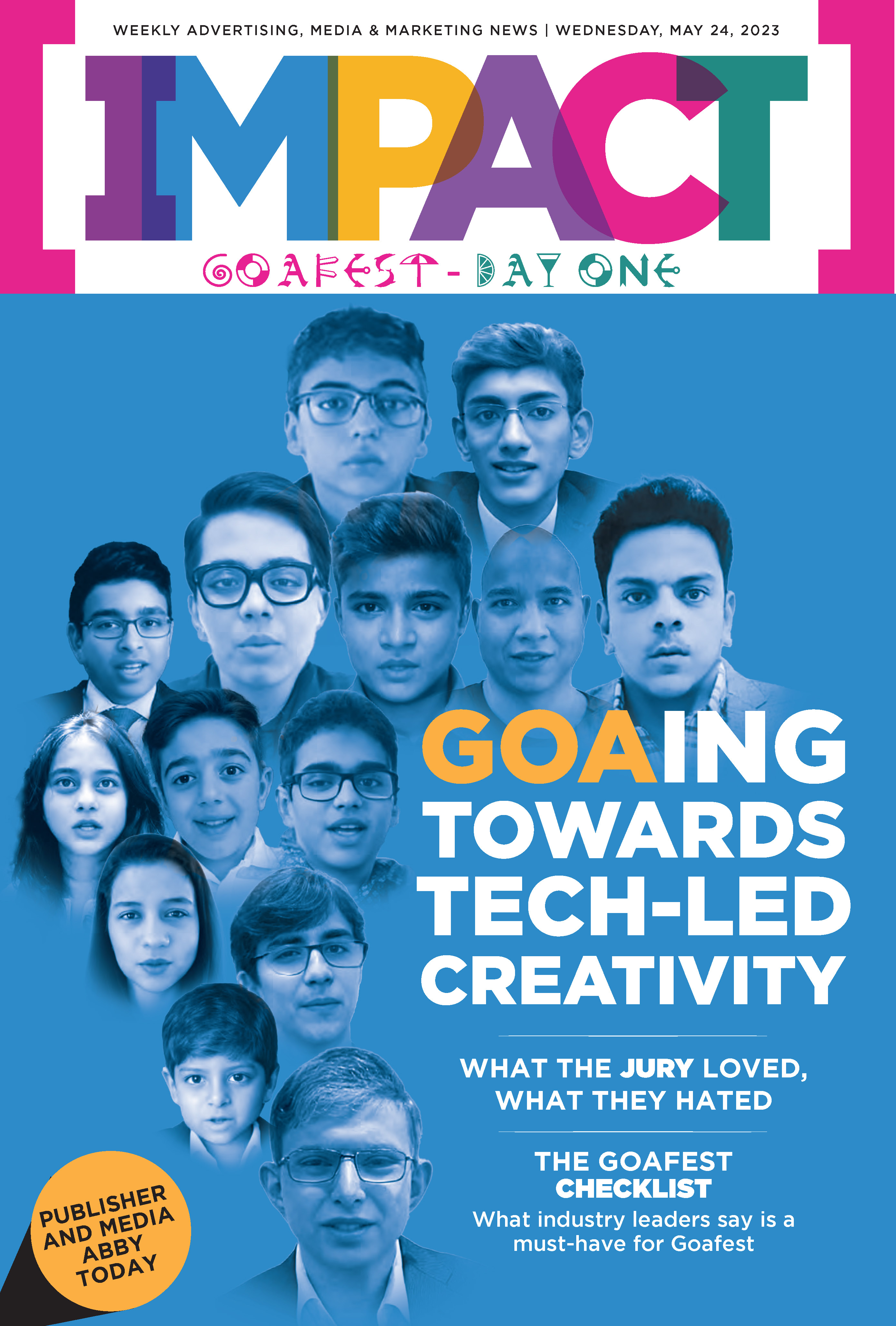
GOAing towards tech-lead creativity
REDISCOVERING ONESELF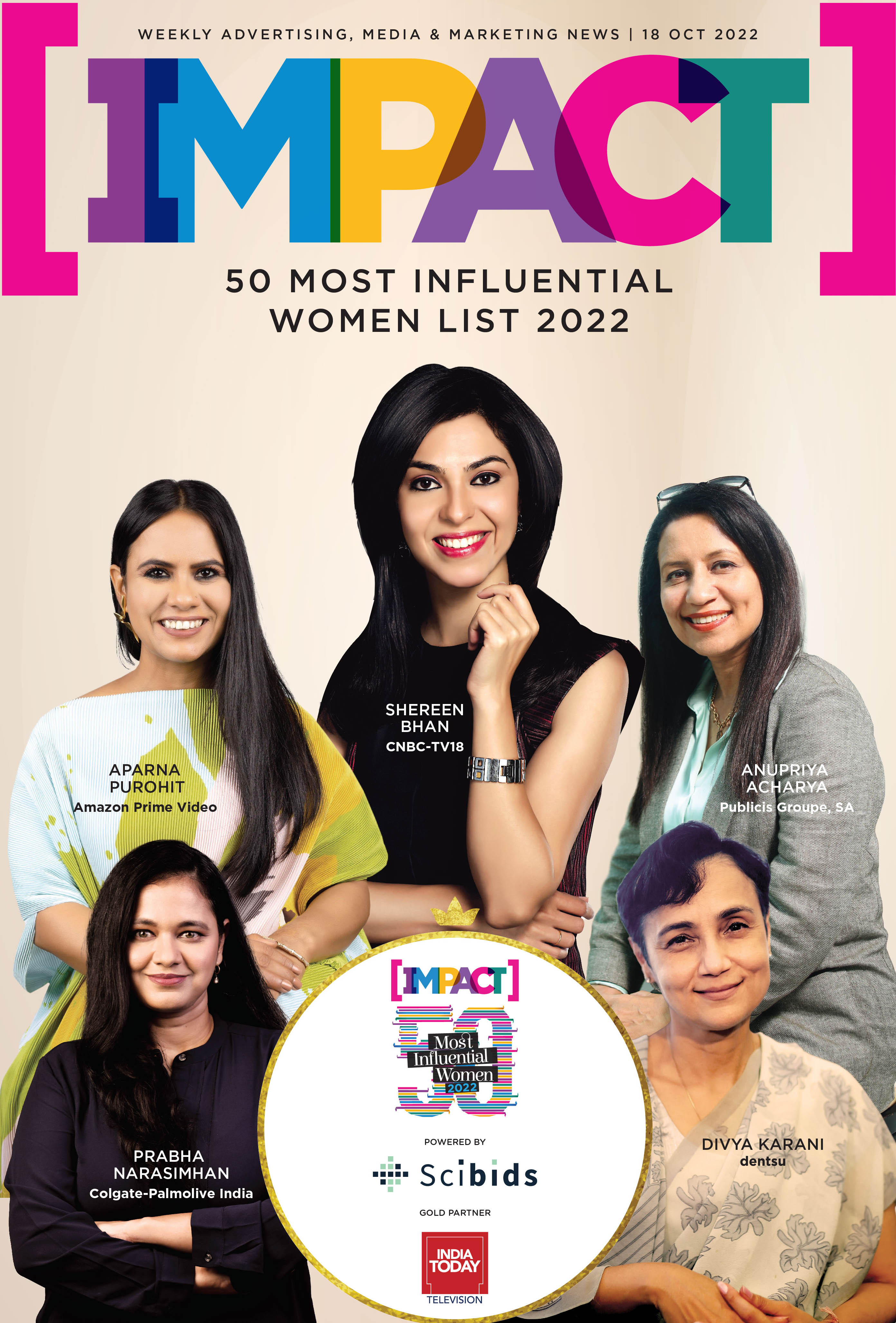
50 MOST INFLUENTIAL WOMEN LIST 2022
BACK WITH A BANG!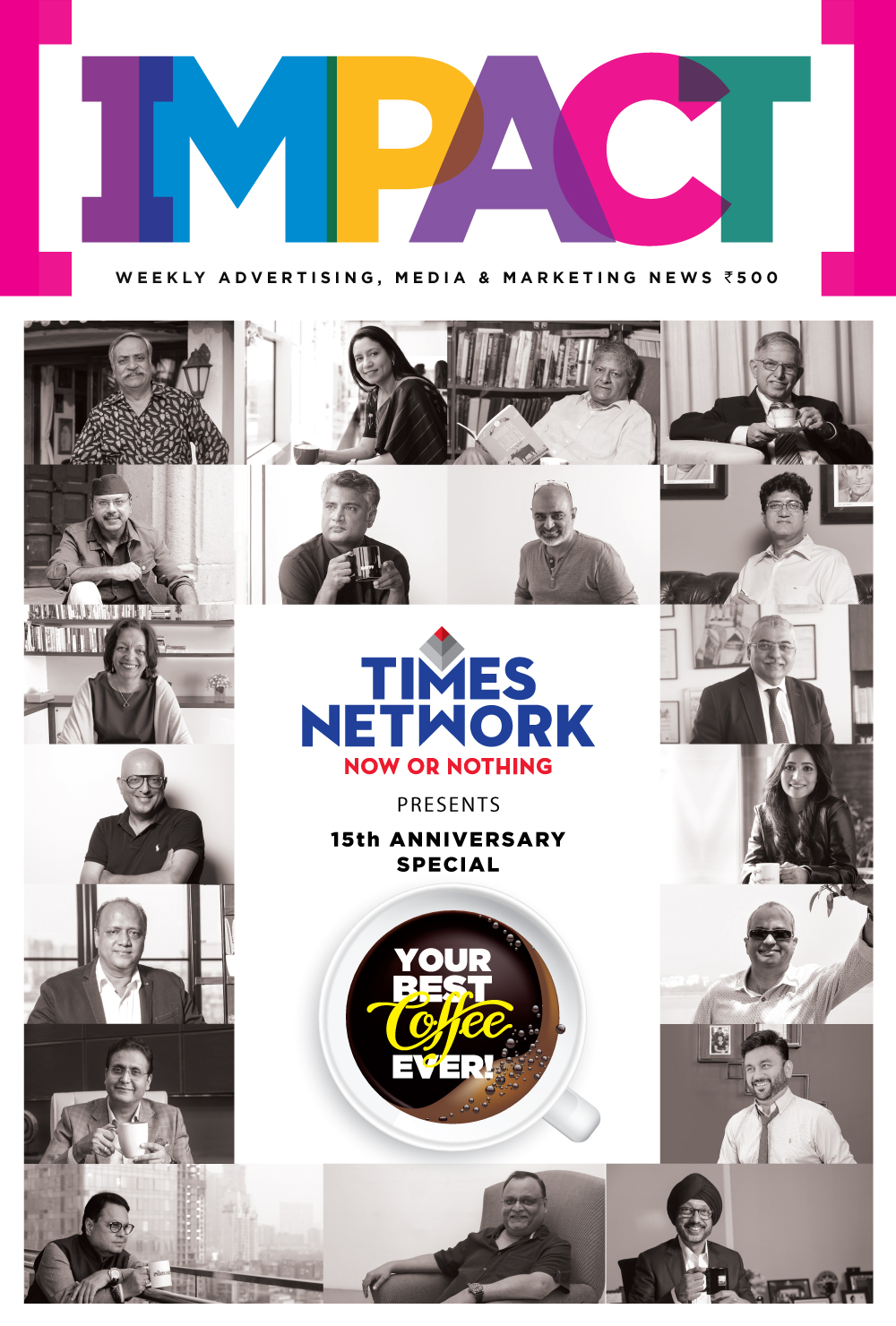
Your Best Coffee Ever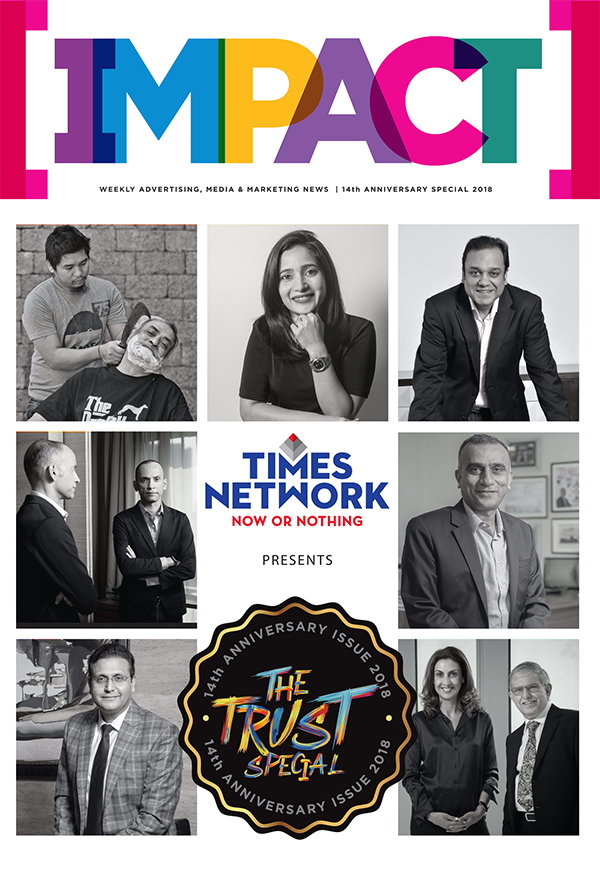
PR Commune Magazine June-July 2022
13th-ANNIVERSARY-SPECIAL
PR Commune Magazine April 2022
VIDEO GALLERY VIEW MORE
