
I remember when ‘democratised marketing’ meant one simple thing—the barrier to create has come down. Today, it means something far bigger and messier. Anyone in India with a smartphone can publish, produce, amplify and monetise. That should be a win for human experience. Instead, it has created a landscape where reach is plentiful but relevance is scarce, and where the responsibility of marketers has quietly intensified.
India’s digital population is no longer niche; it’s mass. Depending on the source, active Internet users in India number in the high hundreds of millions. A population that spans megacities, towns and the deepest rural pockets. This scale has democratised voice—more creators, more local publishers, and more niche conversations. It has also transformed advertising; nearly half of India’s ad spend is now digital, and that shift has changed not only where budgets go, but also how brands behave.
That creates a paradox. Democratisation promised diversity and closeness, more culturally relevant work, and more local nuance. Instead, in many corners, I see democratisation collapsing into volume. The volume is impressive: regional content is exploding as more users prefer and demand local-language material. Yet quantity alone is not kindness. People are swamped. Attention has become a taxed resource, and brands that treat it like infinite inventory are, unintentionally, making people’s lives harder.
So, what should concern strategy-minded marketers in India?
First: Accessibility is not the same as accessibility with empathy. The tools that let creators make fast, shareable content also encourage formats that reward quick reaction over considered value. Short loops, repeatable templates, and algorithmic sweet spots generate performance but not necessarily meaning. I have seen campaigns that win clicks and lose memory; they spike conversation and still fail to build durable trust. The creator economy is booming, but influence does not automatically equal improvement in human experience.
Second: Democratisation changes the terms of responsibility. When brands were the few who could talk at scale, impact was cleaner to trace. Today, brands exist in ecosystems of creators, platforms and communities. A brand’s message can be remixed, stretched and repurposed within hours—often in ways the brand never intended. Therefore, brands must be clearer about the behaviours they encourage and the consequences of the ecosystems they fund. We, at Jio Creative Labs, no longer control the narrative. We help shape a conversation that has many possible futures. That’s a strategic shift more than a tactical one.
Third: Human experience should become the North Star metric. Reach, click-throughs and watch time will remain critical to operations, but they should not be the sole measure of success. I’m arguing for a subtler set of KPIs: emotional retention, behavioural consistency, friction reduction, and perceived usefulness. These are harder to measure—yes, but they are the ones that predict whether a brand will be welcomed into daily life or simply tolerated as noise.
What does this look like in practise? At Jio Creative Labs, we start with designing with patience. If democratisation democratises creation, the counterbalance is curated patience: longer build cycles for ideas that require cultural incubation; fewer ‘always-on’ reactive activations; and higher thresholds for what merits interruption. Invest in regional intelligence, not just regional reach. Content in local language matters, but so does local empathy—the lived context that turns translation into translation-plus. Fund creator partnerships that have guardrails: clarity of intent, shared norms and expectations about representation and follow-through.
There’s a commercial argument too. India’s digital economy is crowded because valuable people spend time, attention and money online. The smartest brands will be those that convert democratised attention into democratised value: products, services and messages that lower cognitive load, respect privacy, and make lives simpler. This is not soft ethics; it’s strategic differentiation. In an environment where everyone can shout, being the considerate voice becomes a competitive advantage.
I don’t mean to be nostalgic for gatekeeping. Democratisation has given voice to communities that were previously invisible, and for that we should be grateful. But gratitude is not enough. We must accept that more voices create more responsibility for those who seek to be heard. If marketing claims it enhances human experience, then democratisation must mature beyond access. It must mean access that improves life.
For India, that’s the next chapter: moving from ‘anyone can speak’ to ‘anyone can benefit.’ The choice before us is simple in idea and complex in execution. We can chase the loudest signal and watch the market grow noisier or we can design for human bandwidth, respect attention, and make the newfound reach actually useful. I, for one, will opt for usefulness. The marketplace may be louder, but our work doesn’t have to be.
E - PAPER

CURRENT ISSUE

LAST ISSUE
More Voices, Greater Responsibility
Amar Kondekar, Head – Brand Services and Business Growth, Jio Creative Labs, on how democratized marketing makes reach easy but relevance harder
 BY
Amar Kondekar
BY
Amar Kondekar
Published: Mar 23, 2026 11:18 AM

RELATED STORY VIEW MORE

Influence Under The Scanner

Comedians On Creative Duty

Tuned in to Gen-Z

Death of Hashtags?

Losing Grip on Brands?

VIDEO INTERVIEW: Inside Amazon India’s Big Creator Push Across Bharat
TOP STORY


NEWS LETTER
Subscribe for our news letter
E - PAPER
-
CURRENT -
LAST WEEK
Subscribe To Impact Online

IMPACT SPECIAL ISSUES

NDTV’s Big Test
Suniel shetty takes the Spotlight
Miked Up for Goafest
Get Set Goaaa!
Anupriya Acharya Tops the IMPACT 50 Most Influenti
Advertising Turbocharged
A Toast to creativity
GOAing towards tech-lead creativity
REDISCOVERING ONESELF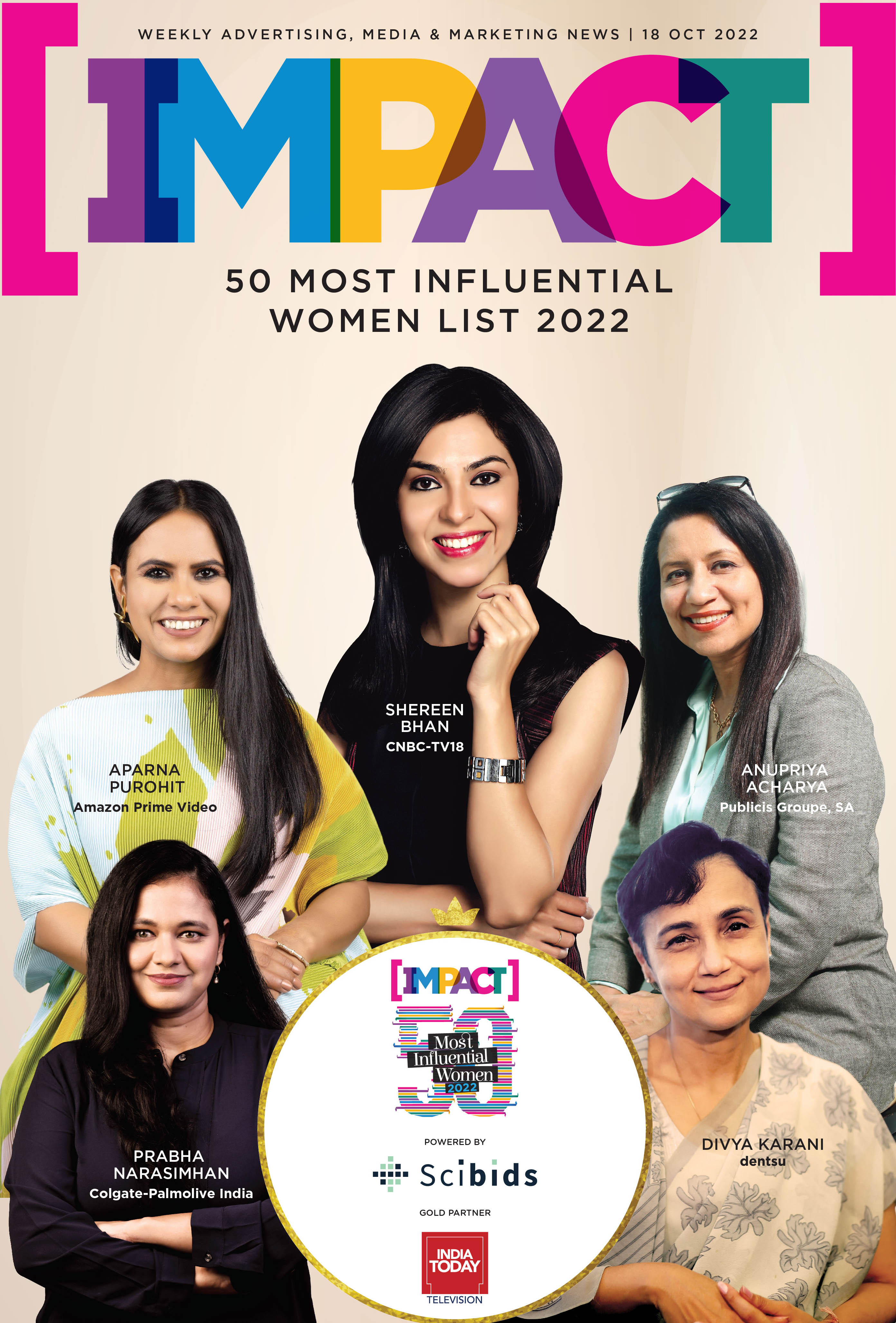
50 MOST INFLUENTIAL WOMEN LIST 2022
BACK WITH A BANG!
Your Best Coffee Ever
PR Commune Magazine June-July 2022
13th-ANNIVERSARY-SPECIAL
PR Commune Magazine April 2022
VIDEO GALLERY VIEW MORE
