
For most of independent India’s history, the ambition was to catch up. Catch up economically. Catch up in consumption. Catch up technologically. Catch up with global standards. Catch up with the world. Something more interesting is happening now. India is beginning to ask a different question: what if we don’t just catch up with the world, but help shape what comes next?
That shift is visible in places that have little to do with GDP charts. Take the Indian consumer. For decades, the defining vocabulary was value, affordability and aspiration. Today, aspiration has acquired a different texture. The question is increasingly not just ‘Can I afford this?’ but ‘Do I want this?’ and ‘Does this represent me?’ India’s Gen Z, for instance, is hardly turning away from consumption; recent research shows 84 per cent expect their spending to rise, while quality ranks well ahead of price as a purchase-driver. The aspiration is alive. What is changing is its expression. Technology is perhaps an even bigger signal. India’s digital story was once about adoption. Then it became about building technology at scale. The next chapter could be about creating entirely new models of how technology works for a country as complex as India.
AI makes this particularly interesting. India’s advantage may not be that Indians will use AI faster than everyone else. It may be that a country of this scale, linguistic diversity, digital penetration and entrepreneurial energy can discover new ways of making AI useful to hundreds of millions of people — and in doing so, create models others can learn from. India’s own AI ambitions are increasingly being framed around building capabilities and solutions for the world, not merely consuming them. And then there is the generation coming of age now. It would be easy to reduce their awakening to climate or sustainability. The deeper shift is in their definition of progress. They are not necessarily asking for less. They want more — more experiences, more freedom, more individuality, more meaning. But they are increasingly asking what that ‘more’ should cost, and what it should leave behind. That matters because Brand India has always been more than what India exports. It is also what India makes the world believe is possible. The convergence of economic confidence, technological possibility and a more questioning generation is creating something different: a country that is increasingly comfortable defining its own terms. Perhaps that is the real New India. Not an India that has arrived. Not an India that has surpassed everyone else. And certainly not an India that has stopped learning from the world. But an India that no longer sees the world only as the benchmark.
The old Brand India was about belonging to the world. The new Brand India is increasingly about having a hand in shaping it. And perhaps that is the most interesting change of all: India is no longer just being watched. It is being watched for what comes next.
E - PAPER

CURRENT ISSUE

LAST ISSUE
When India Stopped Catching Up
Kedar Ravangave writes that for most of its independent history, India measured itself against the world, but now, there is a shift in the way Indians make decisions
 BY
Kedar Ravangave
BY
Kedar Ravangave
Published: Aug 17, 2026 9:59 AM

RELATED STORY VIEW MORE

The Rise Of The Confident Indian Consumer

Brand India: The Productivity Paradox

Brand New India: Resurgent And Young

The India We Are Becoming

NDTV’s Big Test

'New India Does Not Need Explaining'
TOP STORY


NEWS LETTER
Subscribe for our news letter
E - PAPER
-
CURRENT -
LAST WEEK
Subscribe To Impact Online

IMPACT SPECIAL ISSUES

NDTV’s Big Test
Suniel shetty takes the Spotlight
Miked Up for Goafest
Get Set Goaaa!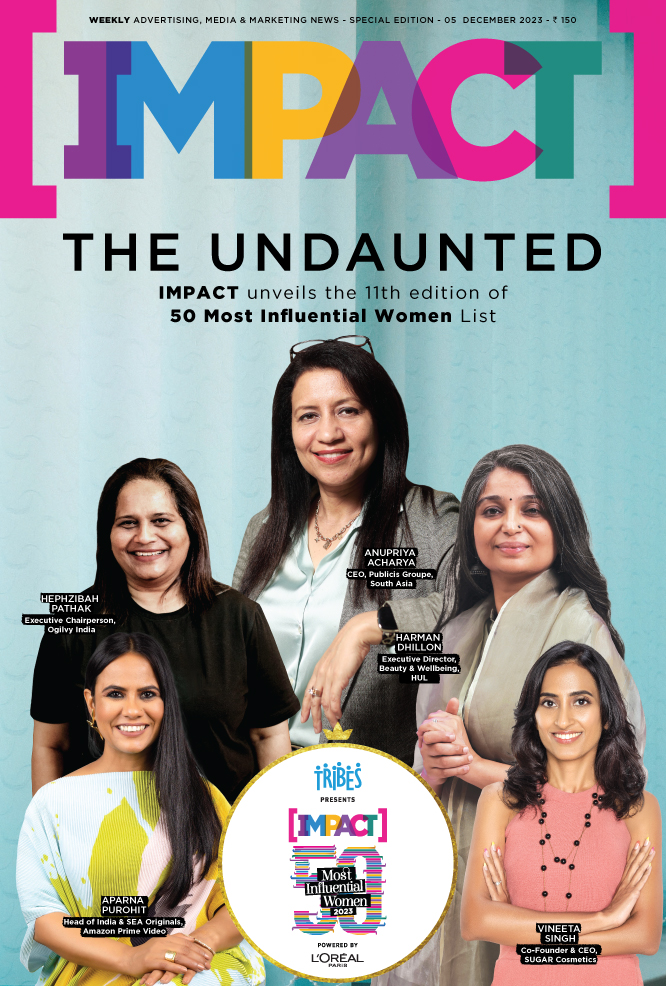
Anupriya Acharya Tops the IMPACT 50 Most Influenti
Advertising Turbocharged
A Toast to creativity
GOAing towards tech-lead creativity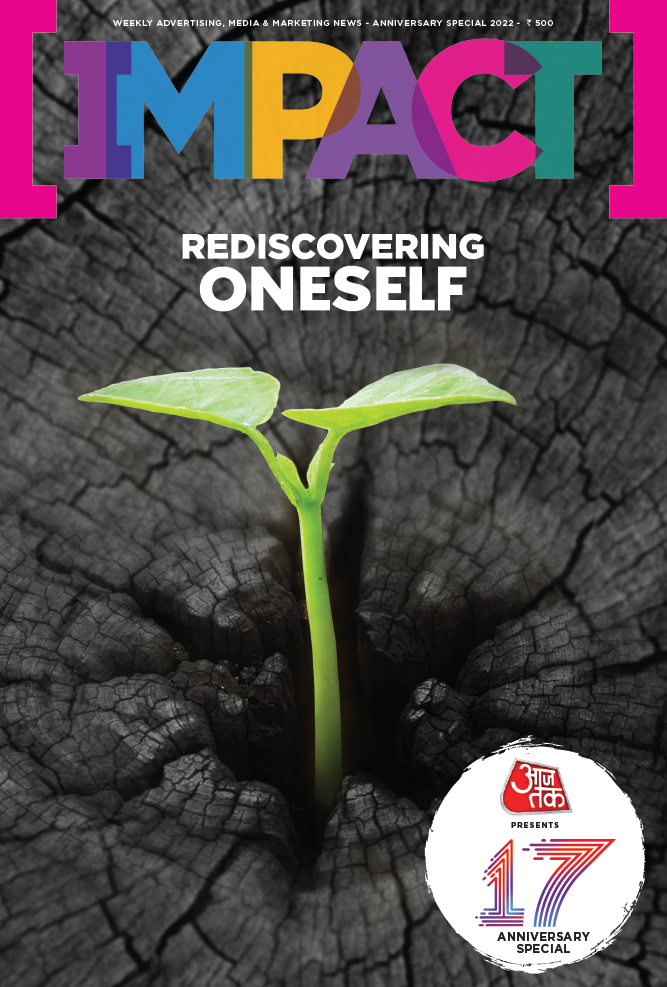
REDISCOVERING ONESELF
50 MOST INFLUENTIAL WOMEN LIST 2022
BACK WITH A BANG!
Your Best Coffee Ever
PR Commune Magazine June-July 2022
13th-ANNIVERSARY-SPECIAL
PR Commune Magazine April 2022
VIDEO GALLERY VIEW MORE
