
On this Independence Day, we should perhaps pause and ask ourselves a slightly different question: What does India mean as a brand today?
Seventy-nine years ago, India was a country fighting to become independent. It inherited an economy depleted by colonial rule, a largely poor population and a deep dependence on the outside world for many of its basic needs. The India of my childhood was a shortage economy. We stood in queues for telephones, scooters and even cooking gas. Milk was something that had to be carefully planned. Foreign exchange was scarce. Travelling abroad was a privilege. And, somewhere beneath all this, there was a certain diffidence about being Indian.
We have travelled a very long distance since then.
Today, India is one of the world’s largest economies, with a growth trajectory that continues to attract global attention. We are the world’s largest milk producer, producing nearly 248 million tonnes in 2024-25 and accounting for about a quarter of global milk production. But the transformation is much bigger than statistics. Indians have gone from seeking jobs abroad to running some of the world’s most influential corporations. Satya Nadella leads Microsoft. Sundar Pichai leads Google. Indian-origin CEOs, entrepreneurs, scientists, doctors and professionals occupy positions of influence across the globe.
And perhaps most importantly, Indians themselves have changed.
We travel the world in numbers our parents could scarcely have imagined. We study at its best universities, build companies in its technology centres, buy properties in its great cities and participate confidently in global conversations. India is no longer merely a market the world wants to sell to. It is a market, a talent pool and increasingly, a source of ideas that the world wants to engage with. That is a profound change in Brand India. For decades, our national image carried an element of apology. We were conscious of our poverty, our bureaucracy, our infrastructure and our contradictions. We often measured ourselves against the West and found ourselves wanting. Today, the gaze is different.
Being Indian is no longer something that needs an explanation. It is increasingly a source of confidence. But a strong brand is not built merely on size or wealth. It is built on what the world comes to expect of you.
And this is where the next chapter of Brand India becomes interesting. Can we become known not only for scale, but for quality? Not only for our software engineers, but for our products? Not only for our diaspora, but for institutions that work? Can we combine our extraordinary diversity with greater social cohesion, our entrepreneurial energy with greater accountability, and our ambition with a higher standard of living for every Indian?
The first 79 years were, in many ways, about proving that India could survive and then prosper.
The next 25 should be about demonstrating what India can contribute to the world. Perhaps that is the real evolution of Brand India: from a country that wanted to be respected to a country that has earned respect—and now has the opportunity to define what that respect stands for.
That is something worth celebrating this Independence Day.
E - PAPER

CURRENT ISSUE

LAST ISSUE
Being Indian Is A Source Of Confidence
Ad veteran Prabhakar Mundkur writes that India’s next chapter must be about combining our extraordinary diversity with greater social cohesion
 BY
Prabhakar Mundkur
BY
Prabhakar Mundkur
Published: Aug 17, 2026 10:01 AM

RELATED STORY VIEW MORE

When India Stopped Catching Up

Brand India: The Productivity Paradox

The India We Are Becoming

Why Independence Day Campaigns Are Not Mass Anymore

NDTV’s Big Test

'New India Does Not Need Explaining'
TOP STORY


NEWS LETTER
Subscribe for our news letter
E - PAPER
-
CURRENT -
LAST WEEK
Subscribe To Impact Online
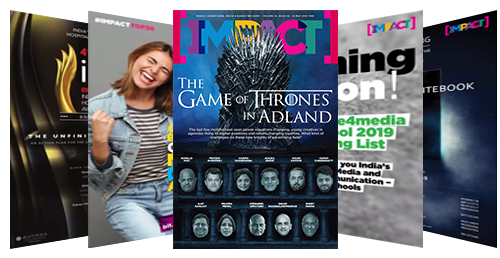
IMPACT SPECIAL ISSUES

NDTV’s Big Test
Suniel shetty takes the Spotlight
Miked Up for Goafest
Get Set Goaaa!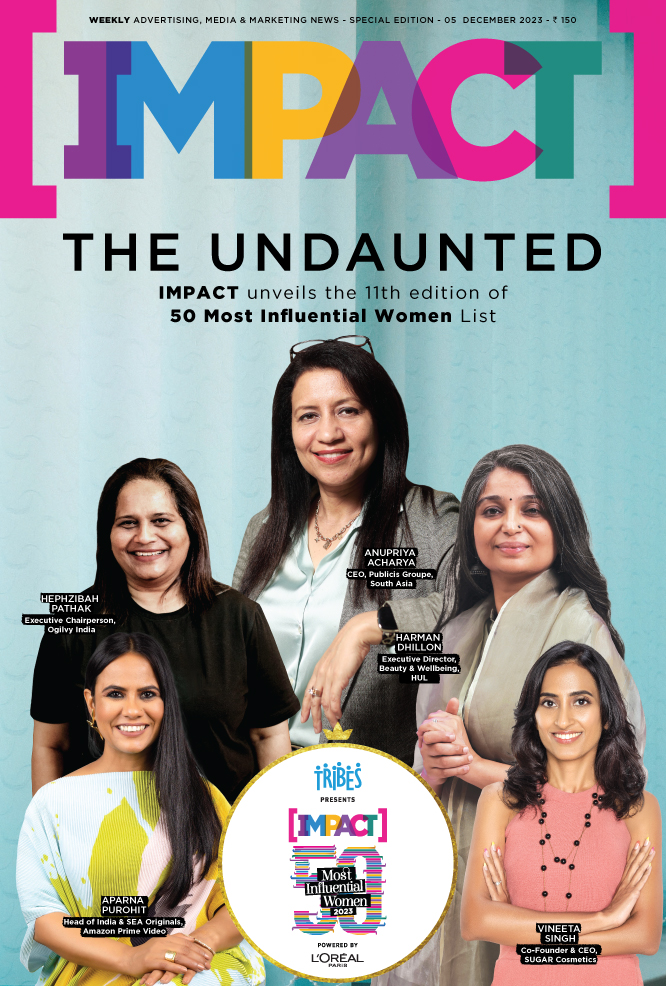
Anupriya Acharya Tops the IMPACT 50 Most Influenti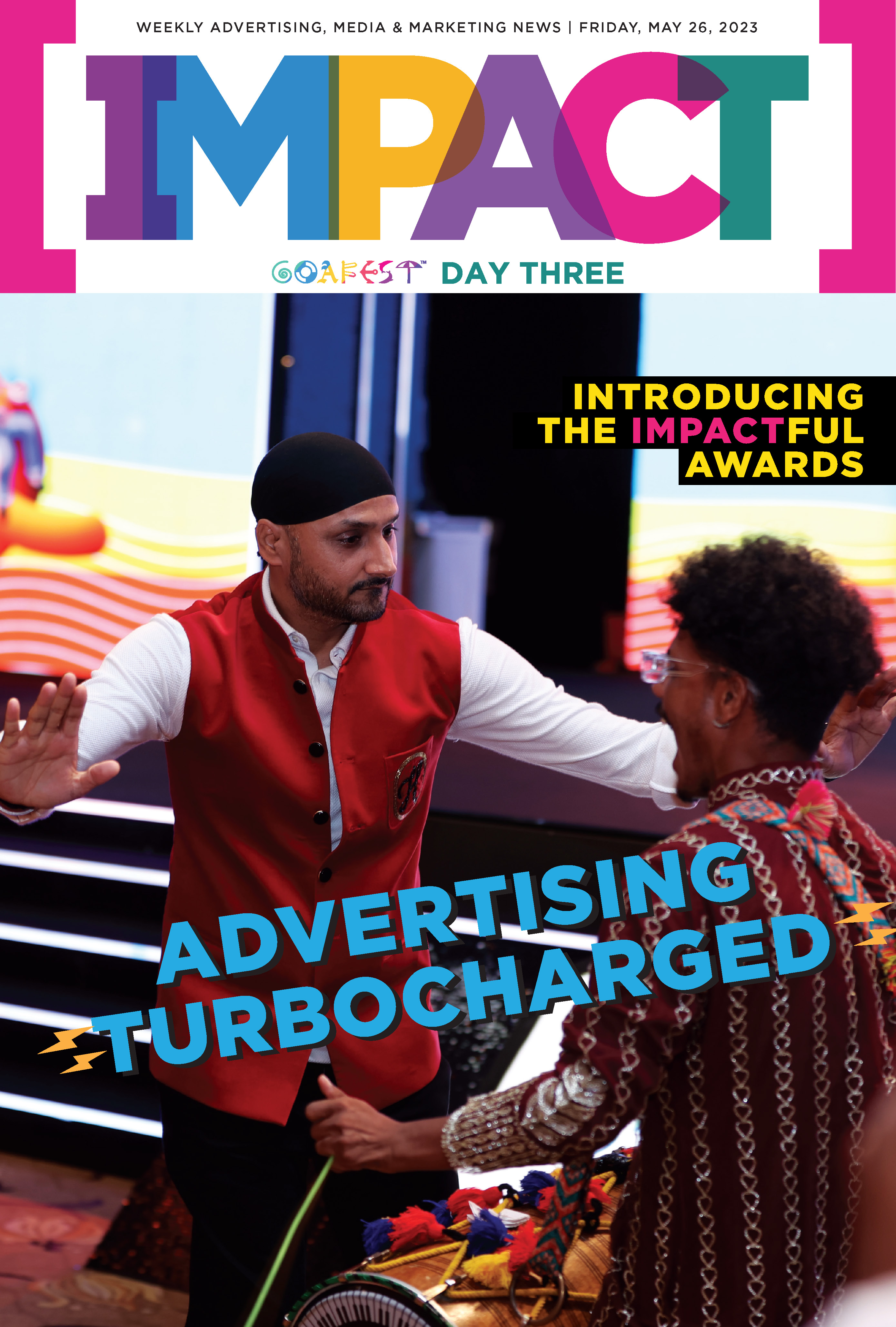
Advertising Turbocharged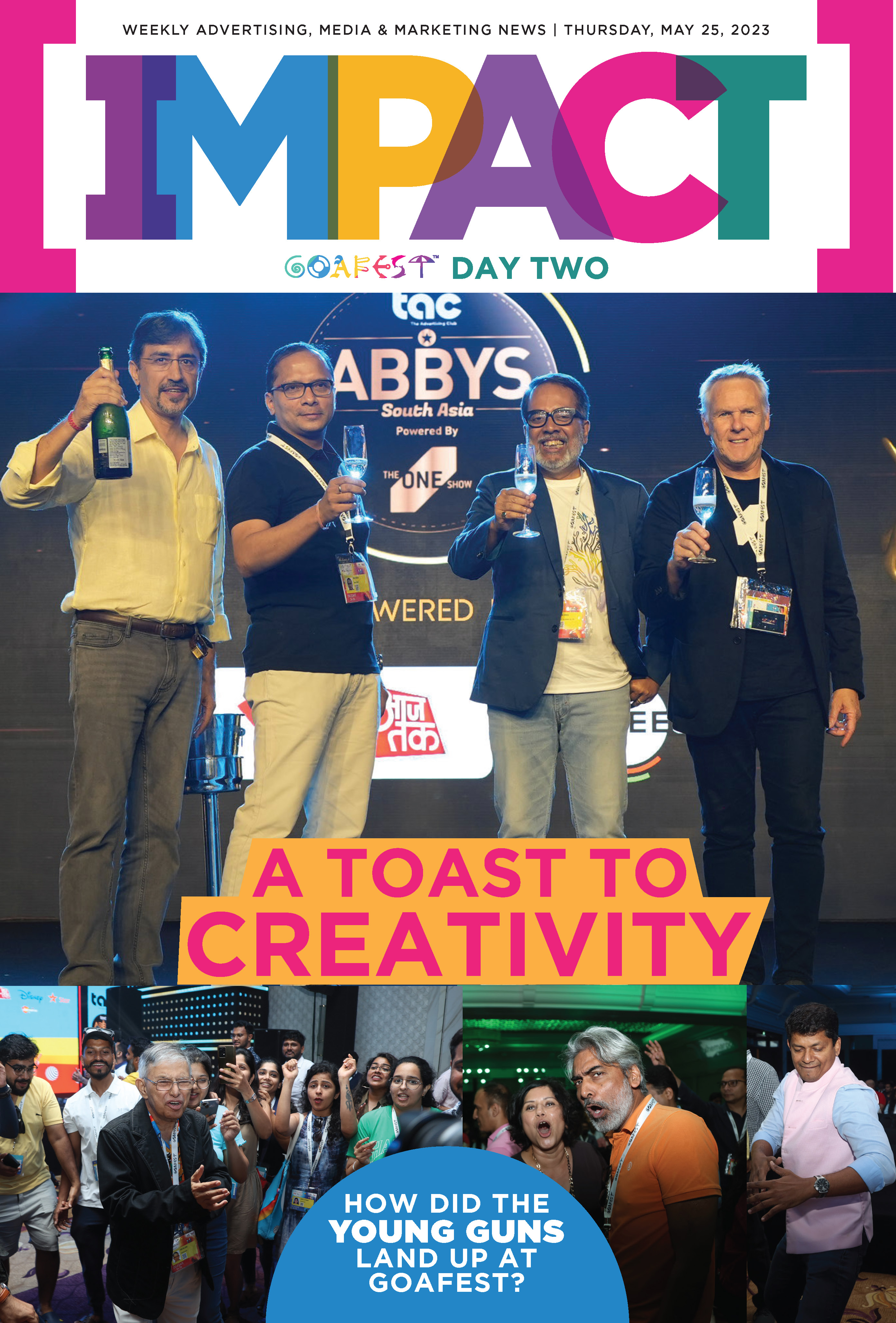
A Toast to creativity
GOAing towards tech-lead creativity
REDISCOVERING ONESELF
50 MOST INFLUENTIAL WOMEN LIST 2022
BACK WITH A BANG!
Your Best Coffee Ever
PR Commune Magazine June-July 2022
13th-ANNIVERSARY-SPECIAL
PR Commune Magazine April 2022
VIDEO GALLERY VIEW MORE
